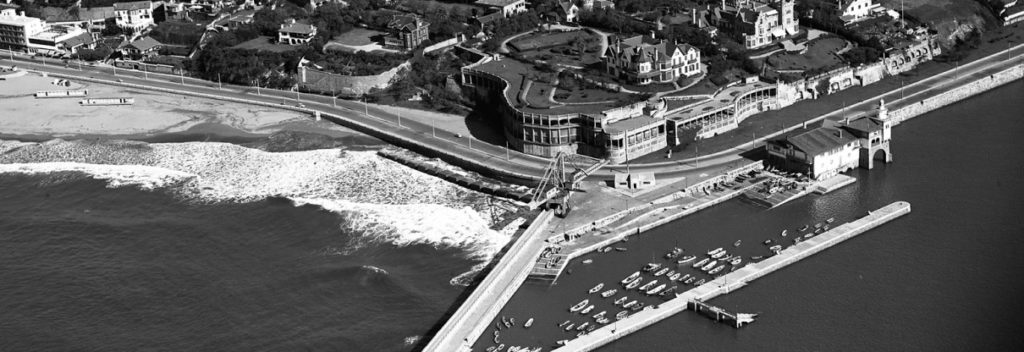
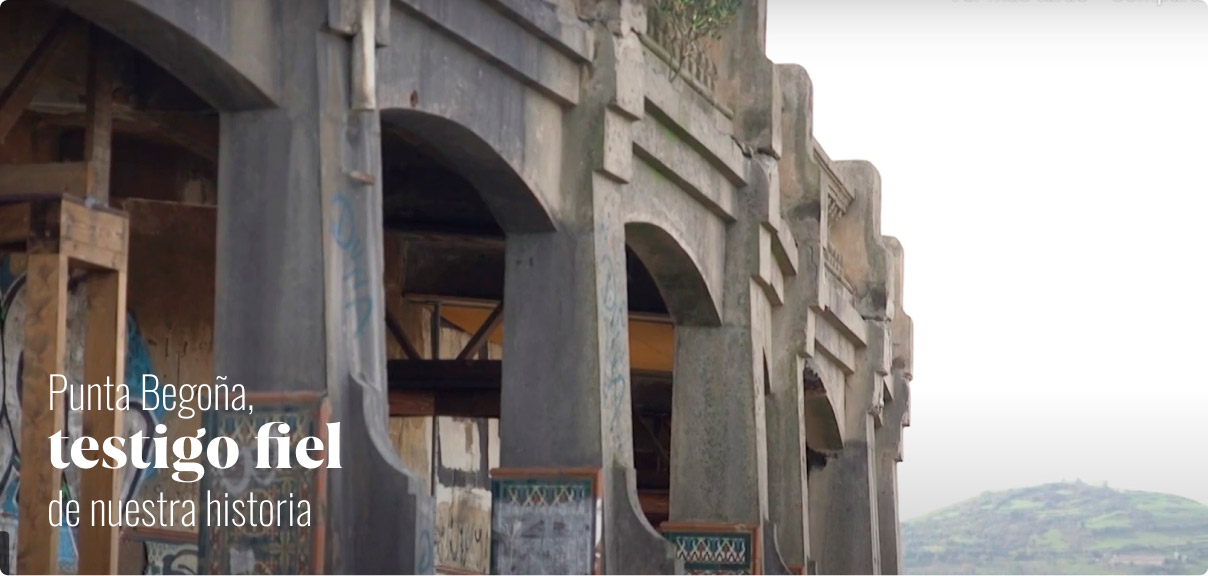
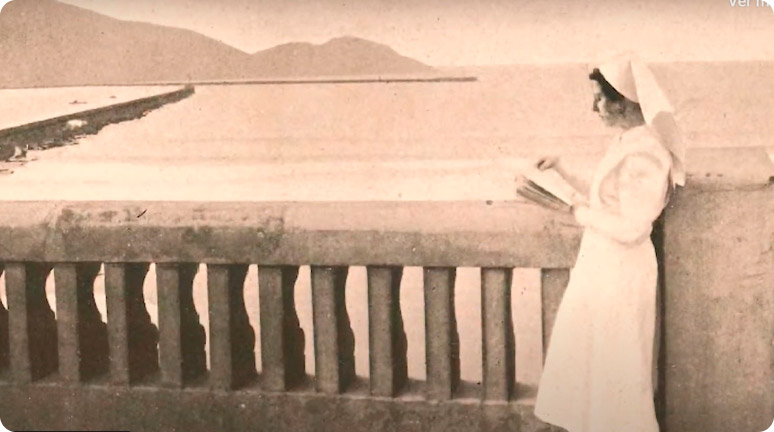
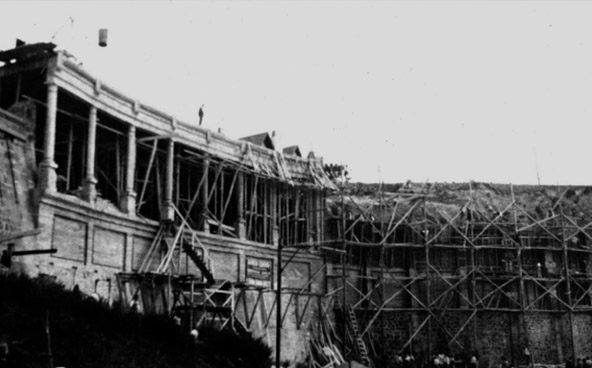
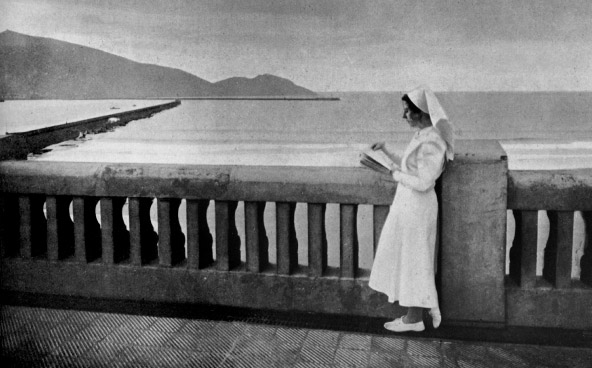
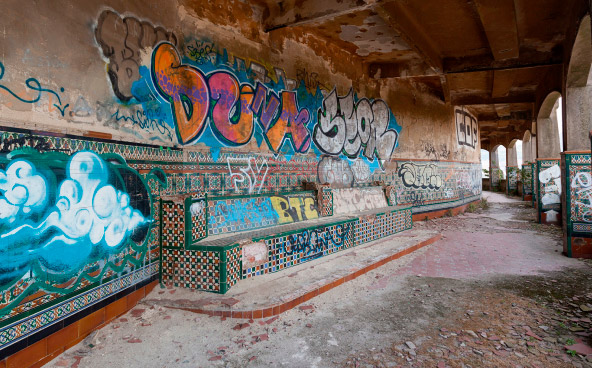
Perched on the coastline of Getxo, the Punta Begoña Galleries are among the most significant early twentieth-century buildings in Bizkaia and the Basque Country, notable for their original purpose, exceptional location and the pioneering engineering techniques used in their construction.
They were designed by the architect Ricardo Bastida following a commission from the industrialist Horacio Echevarrieta in 1918. Their construction was prompted by a rockfall on the site. However, rather than building a simple retaining wall, Echevarrieta saw an opportunity to create something far more ambitious. He commissioned a unique space from which to enjoy the surrounding landscape while overlooking the iron mines he owned on the left bank of the Bilbao Estuary, the bay through which his ships sailed to international markets, and the lively social scene of the bourgeoisie that was gradually turning Getxo into a European benchmark for sea-related leisure.
By 1921, the Punta Begoña Galleries had become a reality: a place for leisure, innovation and social gatherings, but above all a place to see and be seen.
Yet Punta Begoña is much more than that.
"The Punta Begoña Galleries are one of the most fascinating historical time capsules in Spain."
Xurxo Ayán, archaeologist
Discover its stories through the voices of its protagonists
The architect of the galleries:
Ricardo Bastida
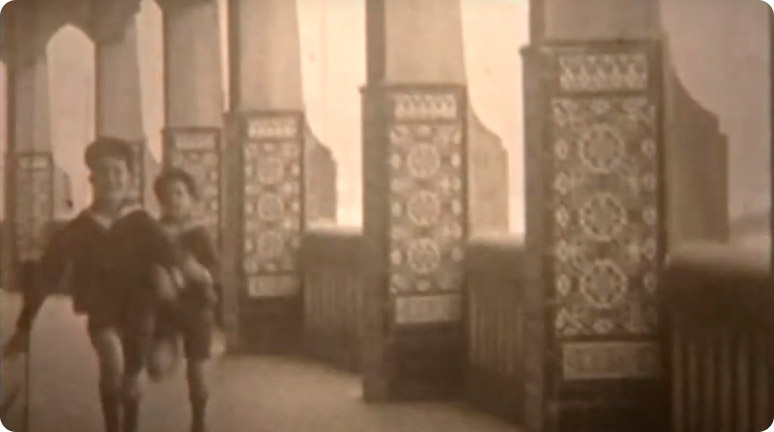
Way of life and initial use of the residential complex
Occupations and unexpected fates: the Civil War
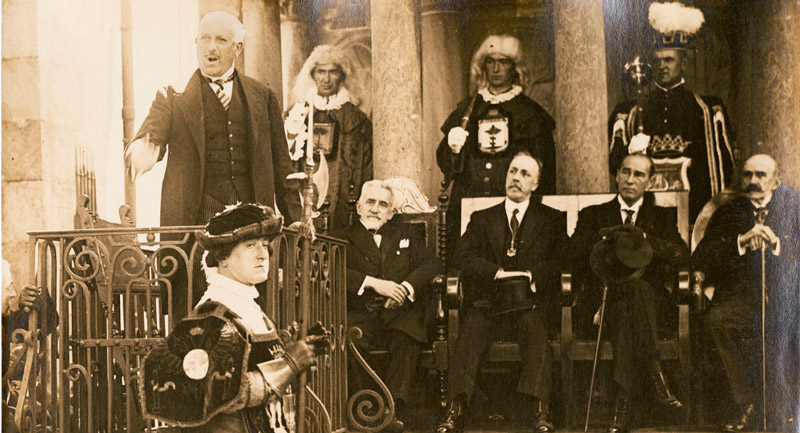
Punta Begoña Galleries: the dream of Horacio Echevarrieta, a truly unique character
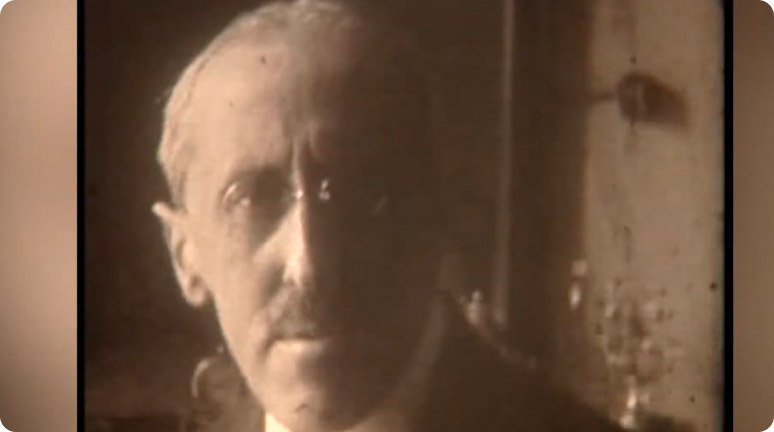
More than a retaining wall protecting the cliff, this structure embodies the vision and bold ambition of its creator, Horacio Echevarrieta (1870–1963).
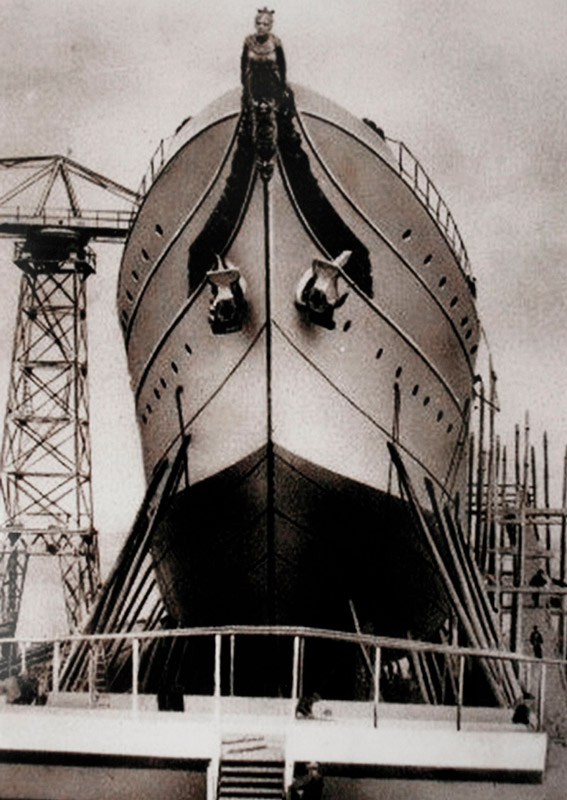
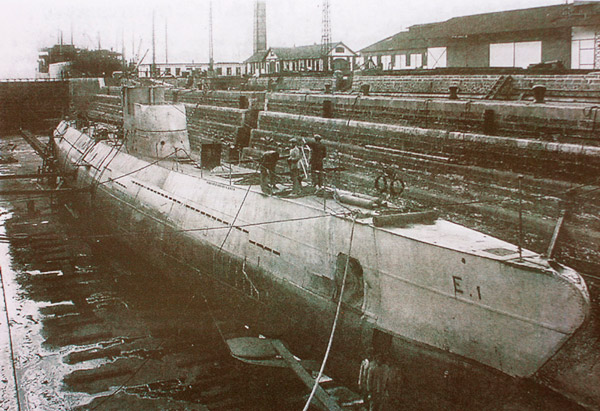
Once one of the most influential figures in Spain, Horacio Echevarrieta is now unjustly little known. This is all the more surprising given that his business ventures extended far beyond Spain’s borders and laid the foundations for some of today’s most iconic projects and influential companies.
And all this while he was responsible for some of the most decisive historical milestones of the era.